
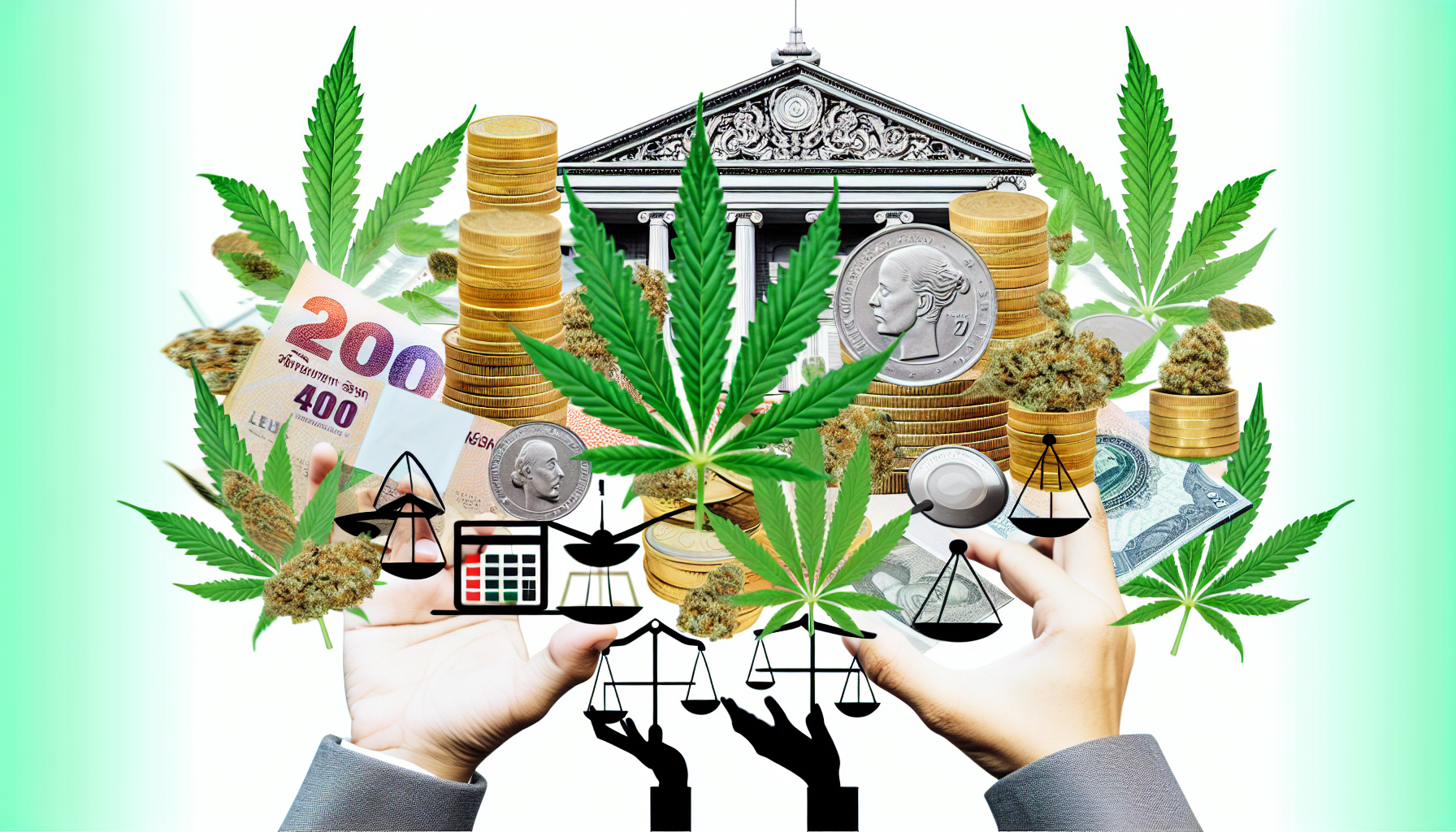
In recent years, Thailand has established itself as a pioneer in cannabis legalization in Southeast Asia. With its historical use of cannabis and the recent shift in laws, the country is experiencing a burgeoning cannabis industry that stretches far beyond traditional cafés. The transformation of cannabis retail in Thailand is now diversifying to include clinics and wellness centers, reflecting a growing acceptance and demand for both recreational and medicinal cannabis. This article explores the multifaceted expansion of cannabis retail in Thailand, its implications for society, and its potential future trajectory.
Historical Context of Cannabis in Thailand
Thailand’s relationship with cannabis dates back centuries, where it has been traditionally used for various purposes, from cooking to medicine. However, the harsh restrictions imposed in the 20th century pushed it underground. The 2018 legalization of medical cannabis marked a significant turning point, allowing for regulated use and cultivation. This progressive stance has since paved the way for a broader acceptance of cannabis culture in the country, leading to its emergence in diverse retail formats.
The Rise of Cannabis Cafés
Cafés have emerged as one of the most prominent retail formats for cannabis in Thailand, particularly in urban areas like Bangkok and Chiang Mai. These establishments often blend the café experience with a unique twist on cannabis consumption. Patrons can enjoy beverages infused with cannabis, edibles, and other products within a relaxed atmosphere.
The success of cannabis cafés is attributed not just to the novelty but also to their role in destigmatizing cannabis use. Many establishments operate under the ethos of promoting education around cannabis, informing customers about responsible usage and the various benefits of medicinal cannabis. The ambiance often invites conversations, fostering a community where cannabis enthusiasts, newcomers, and curious minds converge.
Transitioning to Clinics and Wellness Centers
As the public’s perception of cannabis continues to evolve, there has been a notable shift toward the establishment of cannabis clinics and wellness centers. These facilities prioritize medicinal usage, focusing on therapeutic benefits rather than recreational use. Patients seeking relief from chronic pain, anxiety, or other ailments can access a range of cannabis-based treatments.
Cannabis clinics are typically staffed by health professionals who guide patients through the process of selecting appropriate cannabis strains and products tailored to their individual needs. This model resonates with a growing trend worldwide that views cannabis not only as a recreational substance but as a legitimate therapeutic option. The educational aspect of these clinics also plays a critical role in dispelling myths and misinformation surrounding cannabis usage.
Regulatory Framework and Challenges
Despite the optimistic landscape, the cannabis industry in Thailand still faces hurdles. The regulatory framework is still evolving, and navigating the laws governing cannabis commercialization can be complex. Business owners often grapple with obtaining the necessary licenses and ensuring compliance with health regulations. Additionally, public opinions remain divided, and the government continues to monitor the industry’s growth closely to safeguard consumer health and safety.
Implementing a sustainable business model within this rapidly changing legal environment can be daunting for entrepreneurs. However, adaptability and ongoing education can help businesses thrive while contributing to a broader understanding of cannabis.
Economic Opportunities and Impacts
The diversification of cannabis retail in Thailand presents significant economic opportunities. With the increased tourist interest in cannabis culture, businesses can attract local and international customers alike. This has the potential to create jobs in cultivation, retail, and education sectors, thereby boosting the overall economy.
Furthermore, as Thailand positions itself as a leader in cannabis innovation in the region, there’s potential for export opportunities. High-quality cannabis products could be sought after by neighboring countries that have not yet legalized cannabis, increasing Thailand’s economic footprint within the sector.
Social Implications and Community Benefits
The development of cannabis cafés and clinics goes beyond economic considerations; it also touches on social issues. As societal attitudes shift, cannabis retail establishments can become centers for community engagement. They provide safe spaces for discussions on health, wellness, and personal experiences linked to cannabis use.
Education initiatives from these businesses can foster a deeper understanding of cannabis, allowing for informed choices and cultivating a more health-conscious society. Programs focusing on mental health and wellness further underline the potential for cannabis as a tool for community building and support.
Future Prospects
Looking forward, the future of cannabis retail in Thailand appears bright. The continued diversification into cafés, clinics, and wellness centers reflects an ongoing transformation in both public perception and regulatory frameworks. As laws stabilize and evolve, there is potential for further innovation, such as product development, research on cannabis benefits, and enhanced consumer education.
With the right support and infrastructure, Thailand could become a model for other nations considering cannabis reforms, illustrating the benefits of thoughtful legalization and responsible commercial practices.
Conclusion
The diversification of cannabis retail in Thailand—from cafés to clinics—highlights a significant cultural shift towards acceptance and understanding of cannabis in its many forms. As this industry grows, it offers a unique lens into the intersections of health, economy, and community, promising exciting developments for the future of cannabis in the country. As Thailand forges ahead, it will be essential to prioritize education, regulation, and community involvement to foster a thriving, responsible cannabis culture.