
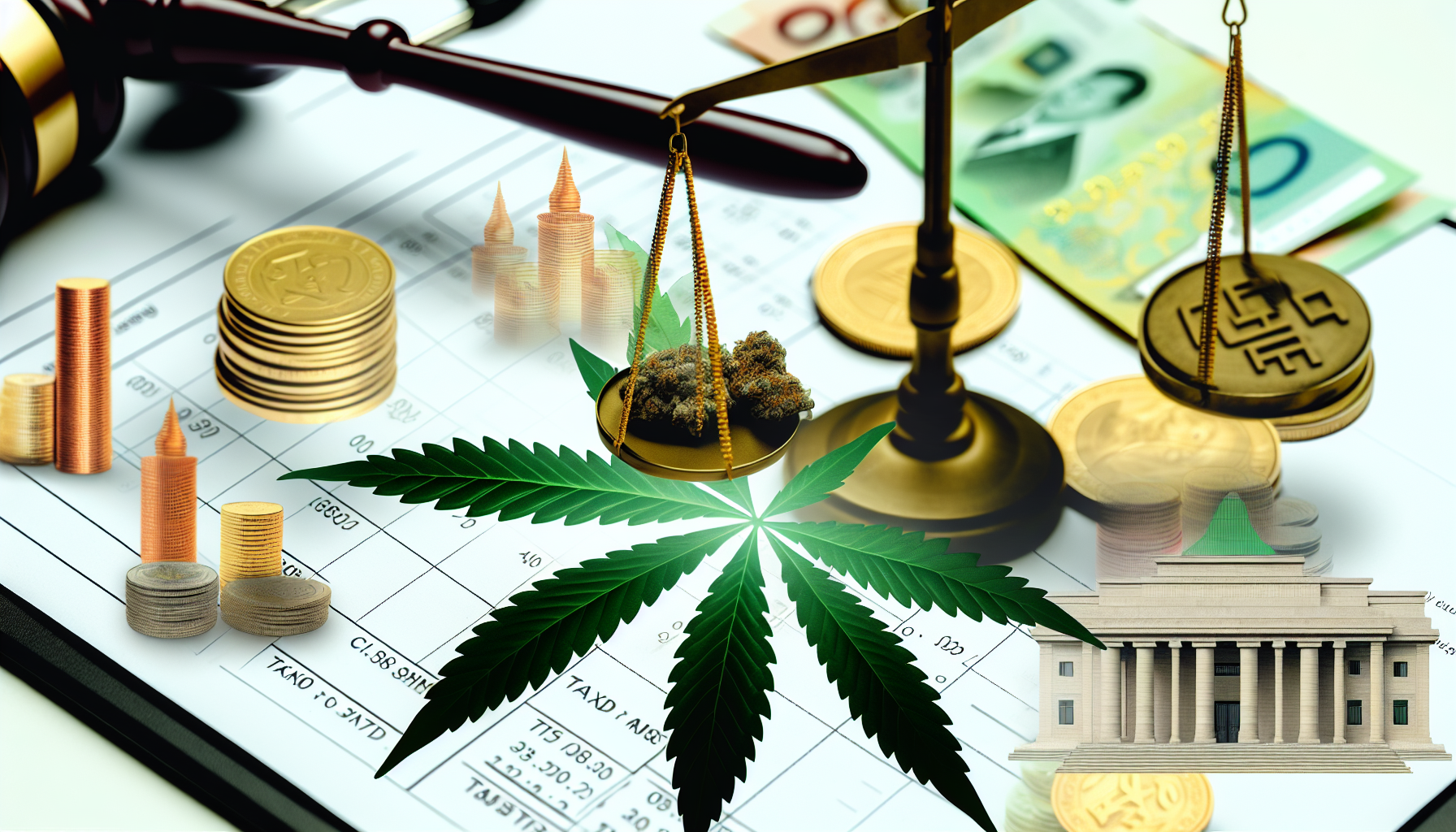
As Asia continues to modernize and adapt to global economic trends, one of the more unconventional routes being explored for fiscal enhancement is the legal cannabis market. While the region has historically maintained stringent drug laws, a shift in perception regarding cannabis is creating new opportunities for taxation and revenue generation. This article examines the potential of cannabis excise taxes as a robust revenue stream across Asia, highlighting its implications on public finance, health, and social development.
Understanding Cannabis Legislation in Asia
The landscape of cannabis legislation in Asia is complex and varied. Countries like Thailand have taken the lead in decriminalizing cannabis, initially for medical use, and more recently for industrial applications such as hemp. Other nations, while still strict, are showing openness to reform. The pace of change is influenced by several factors including cultural perceptions, health benefits, and potential revenues. As the dialogue around cannabis evolves, several Asian nations are beginning to see the potential fiscal benefits of legalizing and taxing cannabis products.
The Fiscal Benefits of Cannabis Excise Taxation
Introducing a cannabis excise tax could provide Asian governments with a new, robust revenue stream. Estimated figures from jurisdictions where cannabis is legal—such as parts of the United States and Canada—indicate that excise taxes can generate billions of dollars annually. These funds are typically allocated for public health initiatives, educational programs, and infrastructure improvements.
If countries like Thailand or Malaysia harness similar strategies, they could alleviate fiscal pressures resulting from economic downturns exacerbated by the COVID-19 pandemic. Moreover, the establishment of a regulated cannabis market could facilitate job creation and stimulate local economies.
Addressing Public Health Concerns
A significant concern surrounding the legalization of cannabis is its impact on public health. However, the implementation of strict regulatory frameworks could mitigate these issues. Many proponents argue that legalizing cannabis usage allows for better oversight and quality control, hence diminishing the risks associated with unregulated markets. Additionally, revenue generated from cannabis taxes could be earmarked for public health campaigns, addiction treatment programs, and educational initiatives.
This dual approach creates a model where governments not only benefit financially but also prioritize the health and safety of their citizens. The key lies in balancing the economic incentives while creating a strong regulatory environment that addresses public health narratives associated with cannabis use.
Economic Growth Through Job Creation
The cannabis industry is one of the fastest-growing sectors globally, and Asia has the potential to tap into this burgeoning market. By legalizing cannabis, nations can stimulate economic growth through job creation across various sectors, from agriculture and manufacturing to retail and tourism. The potential for ancillary businesses—such as consulting, legal services, and equipment supply—also contributes to job opportunities.
Furthermore, this industry can attract foreign investment, as international companies seek to establish a presence in emerging markets. Countries capitalizing on cannabis could position themselves as leaders in the Asian market, drawing interest from entrepreneurs and investors alike.
Social Equity and Justice
While exploring the fiscal opportunities presented by cannabis legalization, it is crucial to address the inherent social justice implications. Historically, cannabis prohibition has disproportionately affected marginalized communities. By prioritizing an equitable approach to legalization and taxation, Asian countries can rectify past injustices.
Implementing social equity programs funded by cannabis tax revenues could foster access to opportunities for affected communities. These initiatives could include scholarships, employment training, or support for minority-owned businesses in the cannabis sector. Such efforts not only promote fairness but can also enhance the legitimacy of cannabis legalization in the eyes of the public.
Challenges and Considerations
Despite the potential benefits, several challenges must be considered before implementing a cannabis excise tax. One primary concern is the need for robust regulatory frameworks to prevent issues such as smuggling and illegal sales. Establishing a comprehensive system that ensures compliance, safety, and quality control is imperative to the success of a legal cannabis market.
Furthermore, public opinion will play a vital role in shaping the future of cannabis policy in Asia. Governments will need to invest in education and outreach to shift perceptions and build trust with their constituents.
Conclusion
The opportunity for cannabis excise taxation as a new revenue stream in Asia is promising yet complex. By exploring this fiscal avenue, nations can pave the way for enhanced public finance, economic growth, and community support while addressing historical injustices. As the dialogue around cannabis continues to evolve, it remains essential that stakeholders approach this burgeoning industry with a comprehensive strategy that considers health, equity, and sustainable economic development.
As Asia stands on the cusp of a cannabis revolution, the implementation of a well-regulated and taxed legal cannabis market could signify not just change in public policy, but a transformational shift in the region’s economic landscape.