

Asia-Pacific Cannabidiol Market Size
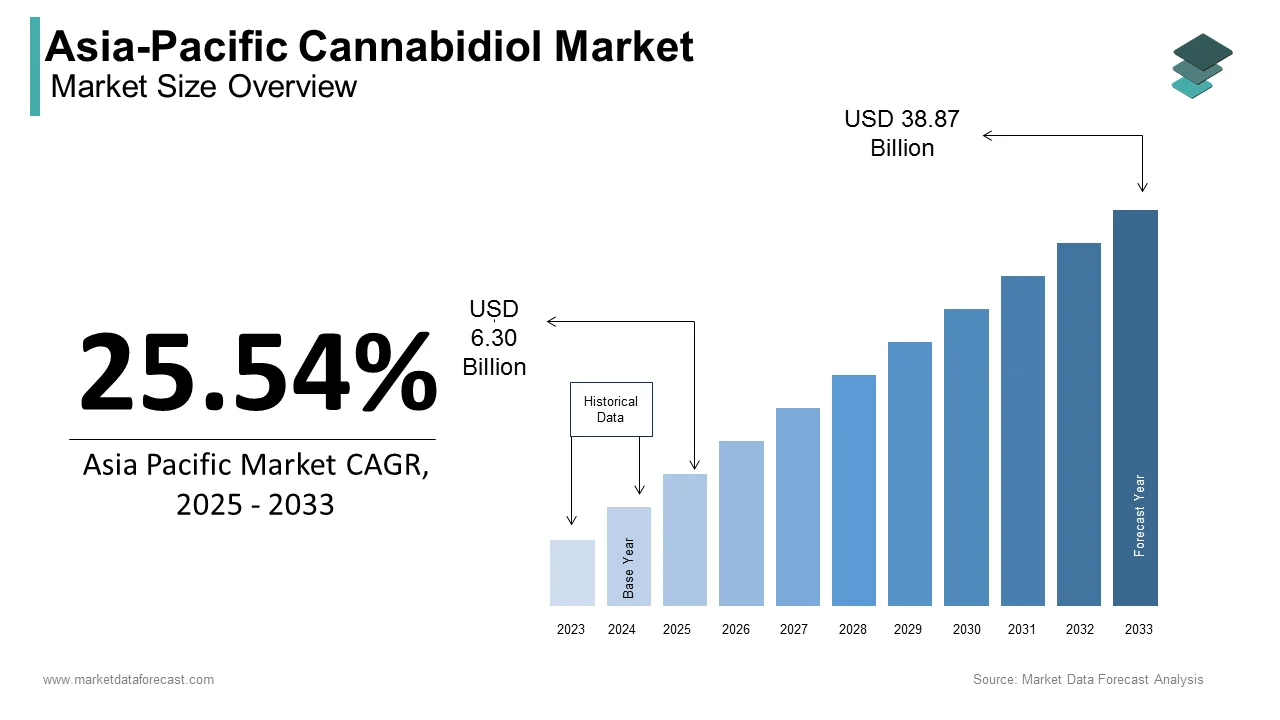
The size of the cannabidiol market in the Asia-Pacific region is currently making waves in the global economic landscape. Valued at USD 5.02 billion in 2024, it is projected to grow to USD 6.30 billion in 2025 and reach an astounding USD 38.87 billion by 2033. This translates to a commendable Compound Annual Growth Rate (CAGR) of 25.54% from 2025 to 2033, signaling robust market growth driven by various factors.
Market Drivers
Growing R&D Activities Around Cannabidiol
A significant driver of the Asia-Pacific cannabidiol market is the expanding research and development (R&D) activities focused on cannabidiol. With a strong emphasis on innovation and collaboration in the field, countries within Asia are enhancing their scientific capabilities. The cultural history surrounding cannabis further catalyzes this growth. Take, for instance, the Cannabis 2023 conference held in Australia in March 2023, which gathered policymakers, healthcare professionals, scientists, and patients alike to discuss advancements in cannabidiol-based medications. This networking fosters a supportive environment for ongoing research.
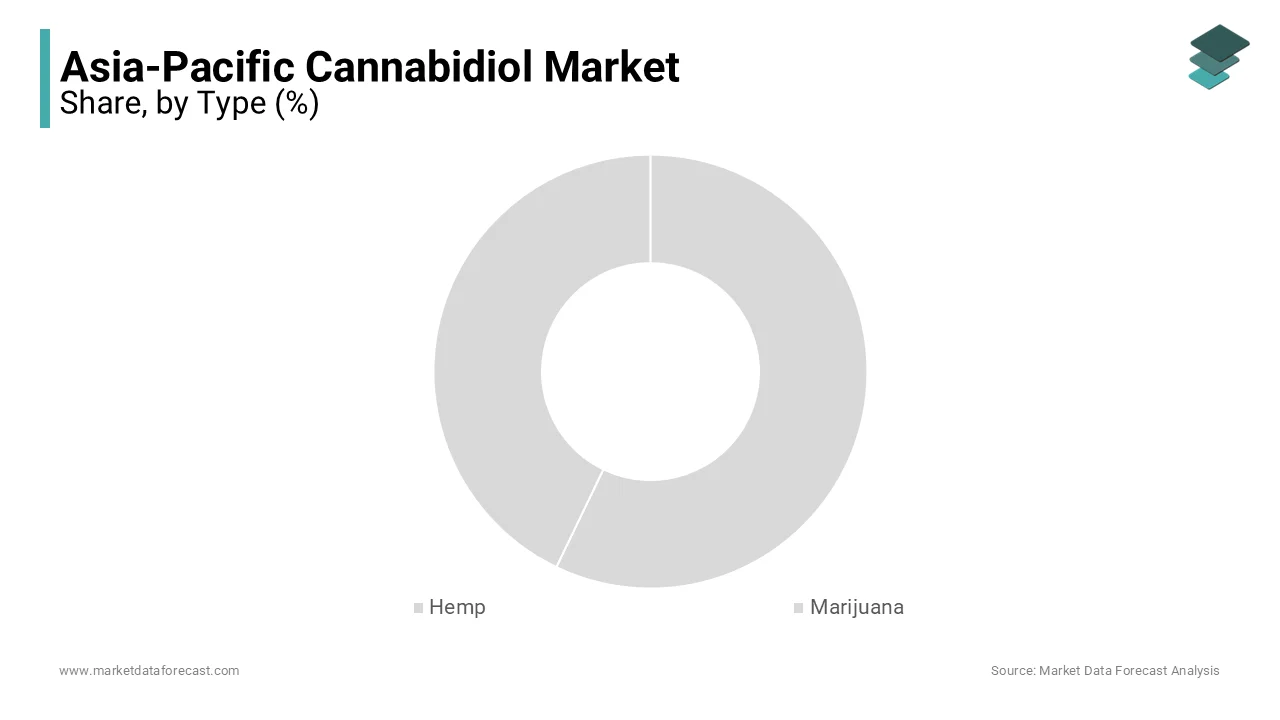
Increasing awareness surrounding the therapeutic benefits of cannabidiol is also fueling its demand. Both cannabis-derived and industrial hemp-derived CBD products are gaining traction in the market. Notably, CBD from cannabis is often viewed as more effective. Several Asia-Pacific nations have implemented laws regulating the cultivation, export, and patient access of cannabis, thus elevating the demand for cannabidiol for both medicinal purposes and academic research.
Growing Interest from Patients & Medical Community
The growing interest among both patients and the medical community is another driving force behind the market’s expansion. For example, Australia’s increase in the number of licensed doctors has notably improved patient access to cannabidiol products. The infusion of technology into cannabidiol research is enhancing the efficacy of CBD, pushing the boundaries of what these products can achieve. Therefore, advancements in research methodology and product development are expected to continue propelling market growth.
Market Restraints
Low Awareness and Correct Production Practices
Despite its promising growth, the APAC cannabidiol market faces several challenges. Continuous regulatory changes and a lack of knowledge regarding raw material quality are limiting its growth. Furthermore, the high cost of cannabidiol products remains a hurdle, making them less accessible to patients, especially those suffering from chronic conditions like anxiety and epilepsy.
Additionally, the side effects associated with cannabidiol products, together with poorly implemented quality control standards, present further challenges for the market. With the increasing legality of cannabis in some Asian countries, the daily usage, particularly among younger demographics, is spiking, which could exacerbate these issues.
Report Coverage
|
Report Metric |
Details |
|
Market Size Available |
2024 to 2033 |
|
Base Year |
2024 |
|
Forecast Period |
2025 to 2033 |
|
Segments Covered |
By Type, Distribution Channel, End-users, and Country. |
|
Various Analyses Covered |
Global, Regional & Country Level Analysis; Segment-Level Analysis; DROC, PESTLE Analysis, Porter’s Five Forces Analysis, Competitive Landscape, Analyst Overview of Investment Opportunities |
|
Countries Covered |
India, China, Japan, South Korea, Australia, New Zealand, Thailand, Malaysia, Vietnam, Philippines, Indonesia, Singapore, Rest Of APAC. |
|
Market Leader Profiled |
Pharmahemp d.o.o, ENDOCA, NuLeaf Naturals LLC, Folium Biosciences, Elixinol, Cannoid LLC, Medical Marijuana Inc., Isodiol International Inc., and Others. |
Segmental Analysis
By Type Insights
Regional Analysis
The Asia-Pacific cannabidiol market is projected to experience the highest CAGR during the forecast period, driven by an increasing aging population and a spike in various health disorders. Specifically, the Chinese cannabidiol market is expected to hold the largest share, thanks to a rising awareness of CBD oil’s medicinal benefits. China has instituted regulations permitting less than 0.3% of tetrahydrocannabinol (THC), facilitating the availability of CBD oil products in retail environments.
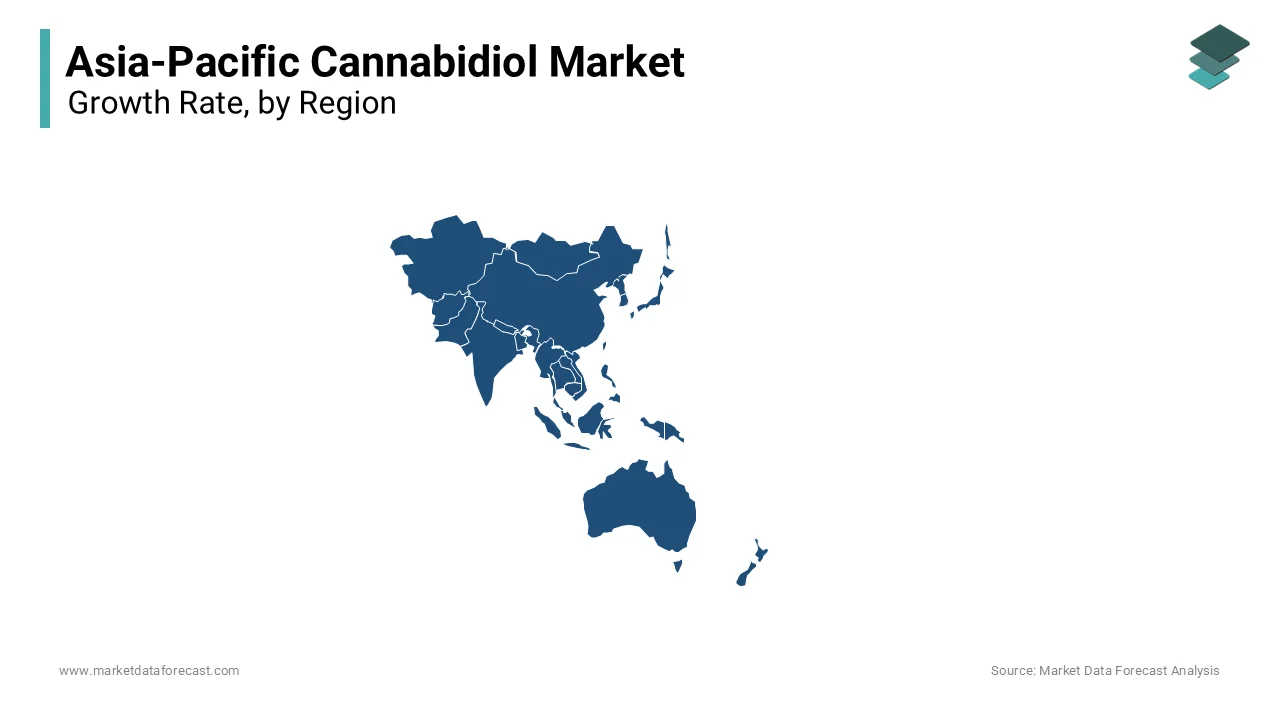
The Indian Cannabidiol Market is next to China, leading the dominant share of the market.
India’s ongoing R&D efforts regarding medicinal products utilizing CBD oil are pushing the market’s growth. The increased prevalence of chronic diseases is expected to surge demand for cannabidiol. CBD oil serves as a natural alternative for pain relief, especially in cancer treatment, which significantly enhances its market share in India. Japan also presents significant growth opportunities as the country embraces new healthcare technologies.
Key Market Players
Key players making significant strides in the Asia-Pacific cannabidiol landscape include established brands like Pharmahemp d.o.o, ENDOCA, NuLeaf Naturals LLC, Folium Biosciences, Elixinol, Cannoid LLC, Medical Marijuana Inc., and Isodiol International Inc., among others, positioning themselves strategically to capture market share.
Market Segmentation
The Asia Pacific cannabidiol market has been segmented based on various criteria including type, distribution channel, end-users, and region.
By Type:
By Distribution Channel:
-
B2B
- B2C
-
Hospital Pharmacies
-
Online
-
Retail Stores
-
By End Users:
-
Medical
-
Chronic Pain
-
Mental Disorders
-
Cancer
-
Others
-
- Personal Use
- Pharmaceuticals
- Wellness
-
Food & Beverages
-
Personal Care & Cosmetics
-
Nutraceuticals
-
Others
-
By Country:
-
India
-
China
-
Japan
-
South Korea
-
Australia
-
New Zealand
-
Thailand
-
Malaysia
-
Vietnam
-
Philippines
-
Indonesia
-
Singapore
-
Rest Of APAC