
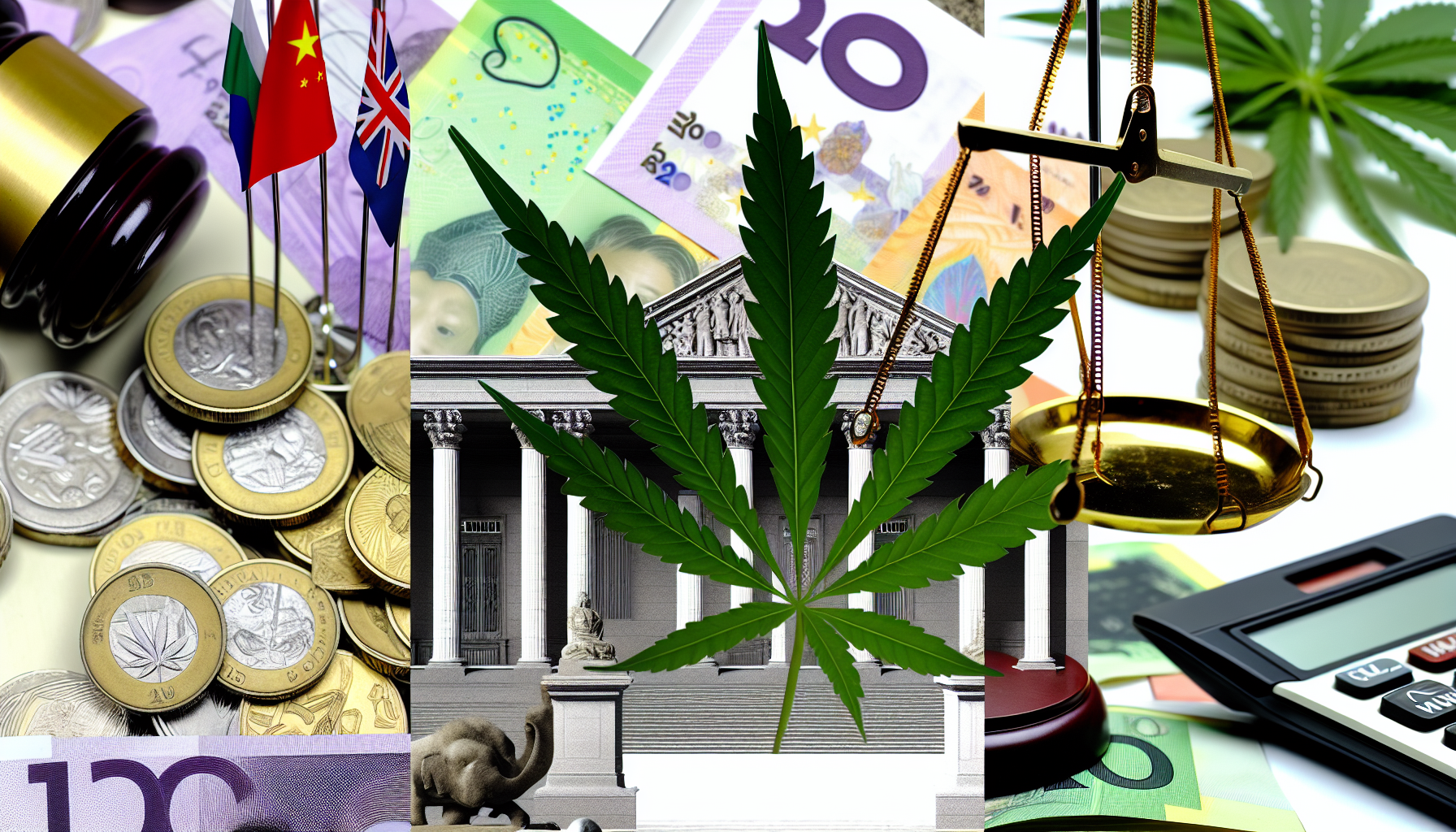
As the cannabis industry continues to evolve globally, Asia is emerging as a new frontier for both legal and illegal cannabis trade. While the region historically has stringent regulations around drug use, recent trends indicate a shift towards legalization and commercialization. However, as countries explore the introduction of cannabis excise models, a closer examination reveals hidden costs that could impact socio-economic structures, public health, and government regulation.
The Shift Towards Legalization
Many Asian countries, historically resistant to cannabis use due to cultural and legal stigmas, are reassessing their stance. Nations like Thailand have already taken significant steps toward legalization for medical and recreational use, sparking discussions on regulatory frameworks. Legalization presents an opportunity for governments to generate substantial tax revenues through excise models. However, this shift also invites scrutiny about the broader implications and costs associated with a burgeoning cannabis market.
Understanding Excise Models
Excise taxation on cannabis typically takes two forms: production taxes and sales taxes. Production taxes are levied on cultivators and manufacturers, while sales taxes are applied at points of sale to consumers. The structure and rates of these taxes can significantly influence market dynamics. Countries adopting excise models must carefully consider competitive pricing, potential black market activity, and the balance between revenue generation and social responsibility.
The Economic Implications
While the potential for tax revenue is alluring, hidden economic costs may offset expected financial benefits. Firstly, the implementation of an efficient regulatory system requires substantial initial investments in infrastructure and enforcement. Additionally, higher taxes on cannabis products can lead to inflated prices, making it difficult for legal markets to compete with illicit growers. This competition can sustain the underground economy, negating the intended benefits of legalization.
Furthermore, the administrative costs associated with tracking production and sales can burden small producers, discouraging participation in the legal market. If small enterprises are driven out, larger corporations may dominate, stifling innovation and reducing overall market diversity.
Social Costs and Public Health
The introduction of cannabis through excise models not only impacts economic factors but also has social implications. Increased availability and normalization of cannabis can lead to higher usage rates, particularly among vulnerable populations. This trend raises concerns about public health, including potential rises in substance abuse, mental health issues, and accidents related to impaired driving.
Moreover, taxation models can disproportionately affect lower-income communities. If cannabis becomes a significant source of tax revenue, it may lead to predatory pricing strategies that further marginalize those already disadvantaged. Adopting harm reduction strategies, including education and support systems, is essential to mitigate these risks.
Regulatory Challenges
As governments consider integrating cannabis excise models, they face a multitude of regulatory challenges. The legal framework must be robust enough to combat illicit activity while also being flexible enough to adapt to rapid market changes. In many cases, existing legal structures may not adequately address the unique aspects of cannabis, including its dual use as medicine and recreational substance.
Additionally, the international legal landscape poses challenges as countries navigate global treaties and local enforcement strategies. Public perception and varying cultural attitudes towards cannabis also complicate the dialogue, influencing regulatory decisions and the success of taxation models.
Lessons from Other Markets
To develop effective excise models, Asian countries can learn from markets in regions where cannabis is already legalized. In Canada, for instance, the hybrid model combining federal and provincial taxation has shown both strengths and weaknesses. Revenues have supported public health initiatives, but certain regions grapple with ongoing black market issues due to high taxation.
These lessons underscore the importance of a well-rounded approach that considers not only potential revenue but also public health, safety, and socio-economic equity. Policymakers must engage in comprehensive data analysis and stakeholder consultations to craft laws that foster a stable legal market.
Conclusion
As Asia navigates the complexities of cannabis legalization and excise taxation, the hidden costs associated with these changes cannot be overlooked. Countries must balance economic aspirations with social responsibilities to cultivate an industry that benefits society as a whole. By learning from existing models and prioritizing responsible regulation, Asia has the potential to lead the way in managing cannabis in a manner that acknowledges both its economic promise and its associated risks. In this evolving landscape, careful deliberation will be key to shaping a sustainable cannabis future.