

Reflecting on 2024: Growth, Equity, and Impact in New Jersey’s Cannabis Landscape
As we reflect on 2024, it is essential to recognize the strides made in the New Jersey cannabis industry, characterized by growth, equity, and significant community impact. This year has seen an expansion in public outreach and an increase in access to information regarding safe cannabis use. The New Jersey Cannabis Regulatory Commission (NJ-CRC) has taken pivotal measures to ensure that the state’s cannabis market remains equitable, transparent, and vibrant.
Agency Updates
April was a month of change within the NJ-CRC as Christopher Riggs transitioned from chief counsel to acting executive director, following Jeff Brown’s impactful three-year tenure. Kelly Anderson-Thomas, the deputy executive director, also left the agency, both of whom played crucial roles in establishing New Jersey’s adult-use cannabis market.
This year, the agency’s workforce expanded by approximately 15%, enhancing its ability to meet the growing demands of the cannabis sector. Noteworthy website updates included the introduction of new pages for Government Relations, Compliance and Investigations, a step-by-step guide on the business application process, and a dedicated product recalls page. The Government Relations page, in particular, features a searchable chart of municipalities that opted into the adult cannabis market, allowing users to filter by county and understand the types of business classes permitted.
February saw the launch of the CRC High Points podcast, a dedicated platform that discusses cannabis market trends and user experiences in the Garden State, reflecting the agency’s commitment to public engagement.
Medicinal Cannabis Program
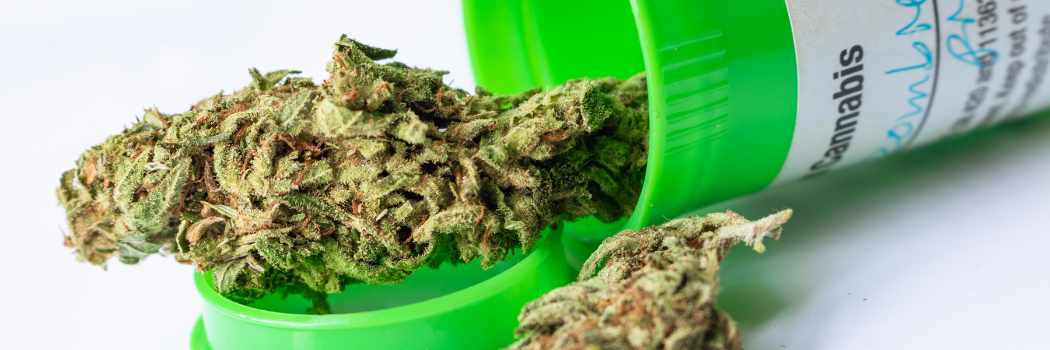
In 2024, the NJ-CRC registered 24,646 new patients for the medicinal cannabis program. Notably, anxiety emerged as the most common qualifying condition, constituting 39% of all patients. The program issued 33,786 physical cards and introduced digital cards in June, available at no cost, while the physical cards now incur a $10 fee.
Clinical Registrants
New provisions allow organizations to partner with academic institutions in researching cannabis’s medicinal benefits. These clinical registrants can grow, manufacture, and dispense medicinal cannabis and aimed to enhance patient treatment through scientific studies.
MCP Clinics
For the second consecutive year, the NJ-CRC hosted Medicinal Cannabis Program (MCP) registration clinics across Trenton, Newark, and Atlantic City. These clinics offered comprehensive support, guiding over 55 patients to successfully obtain their MCP cards and providing essential information to many others.

Government Relations
2024 marked a significant milestone with at least one operational cannabis business licensed in every New Jersey county, benefiting over 200 municipalities. Approximately 36% of the state’s 564 municipalities have permitted cannabis businesses. The NJ-CRC actively engaged in the League of Municipalities Conference, fostering dialogue about local management of cannabis operators and the ongoing collaboration with municipalities to ensure community safety and economic growth.
Commitment to Equity
The NJ-CRC has consistently surpassed statutory benchmarks to create a diverse and inclusive marketplace. By October, 47% of annual license awardees represented majority minority-owned businesses, and 44% were majority woman-owned or majority disabled veteran-owned enterprises. Additionally, 16% of licenses were granted to social equity businesses. Notably, 620 licenses were awarded to Hispanic or Latino business owners, while Black-owned entities accounted for 17% of licenses despite constituting just 10% of state businesses.
Applications and Licensing
Integration of medicinal cannabis business operators into the adult-use licensing platform was a significant step taken in late September. By November 25, 2024, the NJ-CRC had received a total of 2,805 applications, with various applications still under review or pending resubmission. This seamless integration enhances efficiency and provides a comprehensive approach to licensing.
Stakeholder Engagement
The NJ-CRC organized focused roundtable discussions where board committees engaged with public stakeholders. Topics included patient and provider insights on current product allotments, business ownership queries, and other areas of concern. These sessions have significantly informed decision-making processes within the NJ-CRC.

Compliance and Investigations
Throughout 2024, the NJ-CRC undertook several enforcement actions to safeguard consumer safety within the cannabis industry. Notably, a recall was issued for certain cannabis flower and pre-rolls in July. The Office of Compliance and Investigations conducted 217 investigations, leading to 14 Notices of Violation. Most issues were resolved amicably, focusing on maintaining compliance rather than penalizing businesses outright.

The Market
By November 2024, there were 338 cannabis business licenses and permits active in New Jersey—251 for adult-use and 87 for medicinal purposes. The medicinal cannabis market generated approximately $66,927,020 during the first three quarters of 2024, while the recreational market exceeded $722,921,233 in revenue. This success translated into $43,290,543 in tax revenue for the state, alongside $2,248,270 gathered from Social Equity Excise Fees.
Flower products dominated sales, representing over 41% of the market, with vape cartridges and edibles following closely.
The Social Equity Excise Fee (SEEF)
The SEEF, collected from cannabis cultivators, is reinvested into programs supporting communities adversely affected by cannabis criminalization. In 2024, the SEEF rate was $1.24 per ounce; however, it was proposed to be increased to $2.50 per ounce starting January 1, 2025. This adjustment aims to balance the support provided by social equity initiatives with the interests of consumers and businesses.
Safe-Use Campaign
The NJ-CRC launched its inaugural ‘Cannabis Smart. Cannabis Safe.’ campaign to promote safe usage practices. The multi-channel approach targeted youth, pregnant individuals, and seniors while discouraging driving under the influence of cannabis. Impressive outreach resulted in approximately 28 million impressions via social media and digital platforms, with significant engagement metrics from teens and their parents.

Consumption Areas
In the year’s final meeting, the NJ-CRC approved the Notice of Application Acceptance (NOAA) for cannabis consumption areas, opening applications for social equity businesses on January 2, 2025. Subsequent application windows are planned for various business classifications in the following months. These areas will adhere to strict regulations to ensure public safety and responsible consumption.
As we approach 2025, the NJ-CRC’s commitment to fostering an inclusive, responsible cannabis market continues to guide its mission, dedicated to serving the diverse communities across the state.
Stay informed by engaging with public meetings and following the NJ-CRC on various social media platforms for updates and resources related to cannabis safety and regulation.