
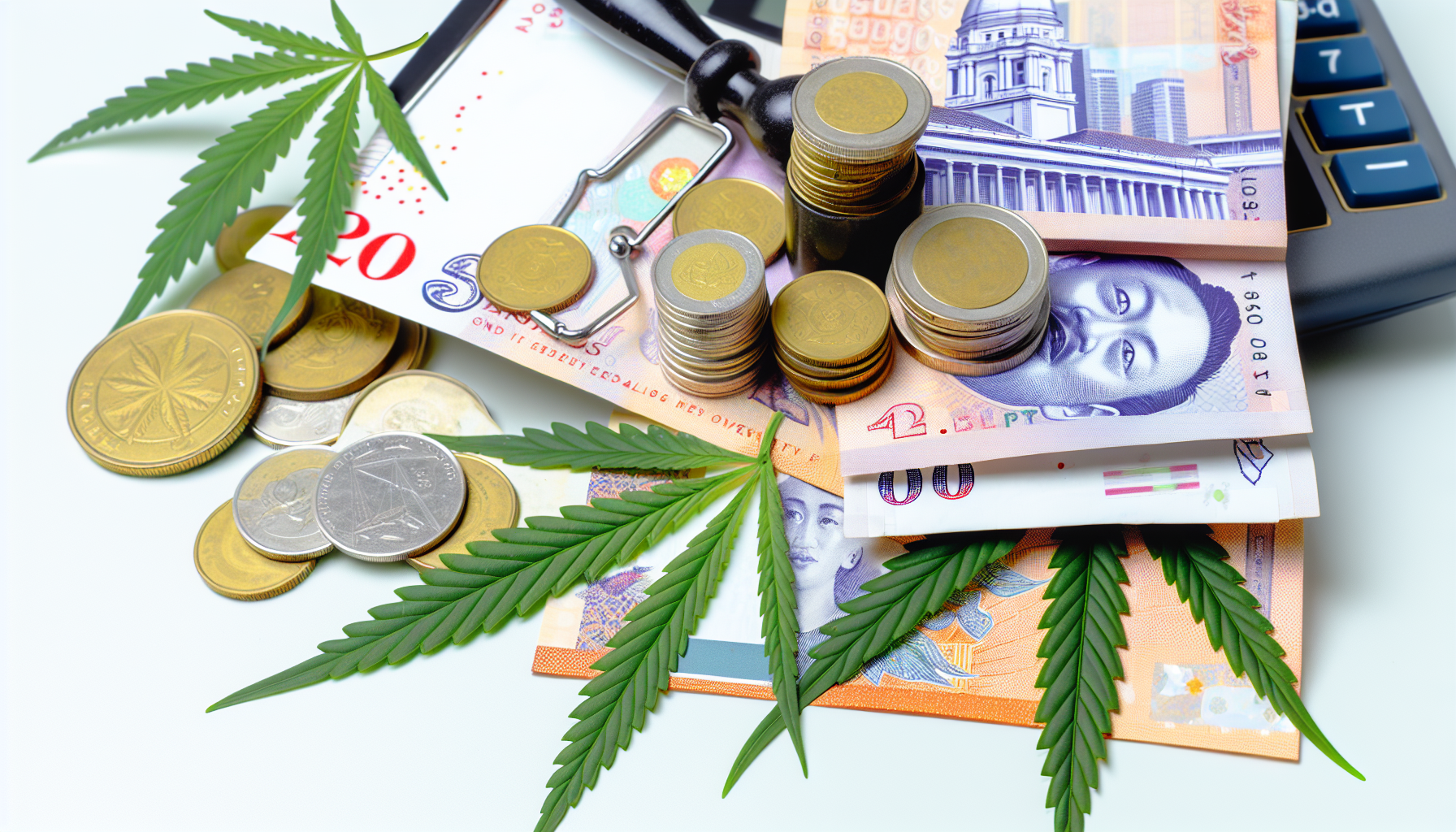
As the regional landscape surrounding cannabis legalization shifts, Singapore finds itself at a pivotal crossroads. The city-state is known for its stringent anti-drug policies, which are deeply ingrained in its cultural and legal frameworks. However, the increasing trend toward cannabis acceptance in neighboring countries raises important taxation concerns and policy considerations that warrant a closer examination.
The Changing Regional Landscape
Countries in Southeast Asia, from Thailand to Malaysia, have begun to explore the potential benefits of cannabis legalization. Thailand, in particular, made headlines by legalizing medicinal cannabis in 2018 and is considering broader applications. Such moves reflect a growing recognition of cannabis as a lucrative economic opportunity, especially in areas like tourism, agriculture, and healthcare.
In contrast, Singapore maintains a firm stance against cannabis use. The Misuse of Drugs Act prosecutes individuals found in possession of cannabis with severe penalties, including long prison sentences. This unwavering approach, while providing a clear legal framework, also presents challenges as the region evolves.
Economic Implications
The economic implications of cannabis legalization are substantial. Countries like Thailand are poised to benefit from taxation revenues, job creation, and international investment in a burgeoning industry. This raises a significant question for Singapore: how can it remain competitive economically while adhering to its stringent anti-drug stance?
Taxation on legal cannabis can generate much-needed revenue. For instance, if Singapore were to consider legalization, it could tap into a tax structure similar to that of tobacco and alcohol — both of which are heavily regulated and taxed. The revenue generated from taxes on these products contributes significantly to the national budget, which is particularly important in a country with high public service demands.
Public Health and Safety Concerns
One of the primary reasons behind Singapore’s strong anti-cannabis laws is public health and safety. Government officials argue that legalization could lead to increased usage, especially among youths, and could result in public health crises related to addiction and mental health issues. As neighboring countries experiment with more lenient policies, Singapore must carefully balance potential economic benefits with its population’s safety.
The taxation of legal cannabis could theoretically help fund public health initiatives aimed at education and prevention, but this remains a contentious point. Will the revenue generated truly offset potential negative public health outcomes? Policymakers need to engage in thorough research and consultation before making any decisions, especially considering Singapore’s unique societal values and norms.
Regulatory Framework
A potential shift in cannabis policy would not only involve taxation but also necessitate the development of a comprehensive regulatory framework. This would cover cultivation, distribution, and sale, and should ideally include stringent controls similar to those for alcohol and tobacco. Policymakers must consider how to effectively monitor and regulate a potentially lucrative market while maintaining public order and safety.
In jurisdictions where cannabis has been legalized, regulatory frameworks range from strict government control to more laissez-faire approaches. Singapore will likely need to find a middle ground that aligns with its broader governance philosophy while allowing for economic opportunities.
International Trade and Relations
As Southeast Asia becomes a more significant player in the global cannabis market, Singapore’s international trade relations may be influenced by its stance on cannabis. Countries that embrace legalization could emerge as trade partners, creating economic dynamics that Singapore cannot ignore. The taxation model that emerges in neighboring markets may set a precedent that Singapore may feel pressured to follow, particularly if it wishes to engage in trade relationships with these countries.
For instance, if Singapore remains resistant to cannabis legalization and taxation, it could risk losing out on potential investments and trade partnerships with countries looking to share innovations and technologies related to cannabis. As the market evolves, Singapore must navigate the complexities of maintaining its strict policies while remaining competitive in the regional economy.
Conclusion
Singapore’s taxation concerns amid regional cannabis legalization present a complex interplay of public health, economic opportunity, and regulatory challenges. As neighboring countries like Thailand chart new territories in cannabis law, Singapore finds itself at a crucial juncture. Policymakers must engage in extensive research, discussions, and consultations to determine the best course of action.
The potential benefits of taxation from a legal cannabis market must be weighed against the deeply held values of safety and health that underpin Singaporean society. Balancing these concerns will require innovative thinking and a willingness to adapt to a changing regional landscape. While the future remains uncertain, one thing is clear: Singapore’s approach to cannabis and taxation will be a topic of significant importance in the years to come.