
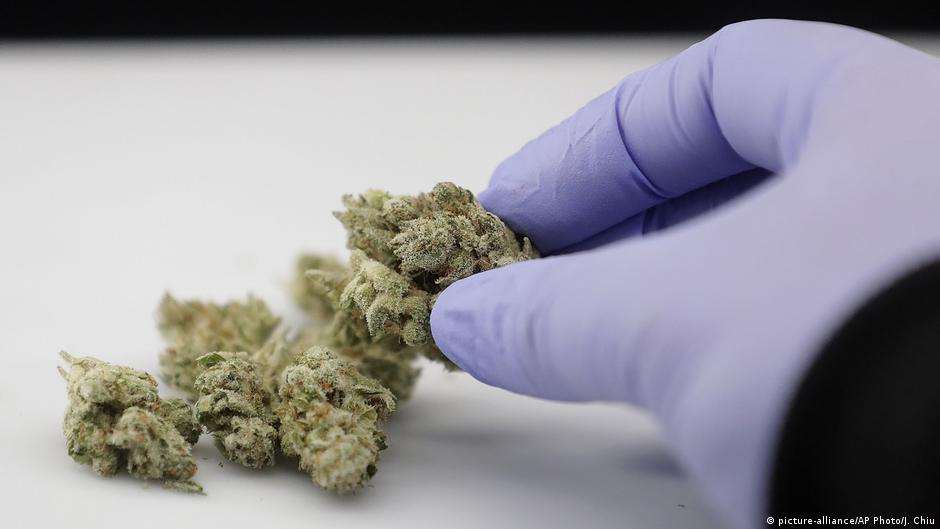
The Green Rush: Thailand’s Groundbreaking Legalization of Medical Cannabis
In December, Thailand made history as the first Southeast Asian country to legalize cannabis for medical use and research. This landmark decision has not only attracted global attention but also sparked a “green rush,” with many hoping this could transform the nation into a leader in a burgeoning industry.
Political Backing for Legalization
The legalization of cannabis was a core promise of the Bhumjaithai Party during the March 24 elections, helping it secure a significant number of seats in Thailand’s new parliament. With a focus on the industrial potential of cannabis, the government aims to accelerate study and development to foster economic growth and create job opportunities. This political backing is instrumental in shaping the future of cannabis in Thailand.
Emerging Market and Economic Benefits
The legalization move has paved the way for the first batch of medical cannabis oil, distributed to hospitals as early as August. Numerous companies are eager to obtain research permits and patents, vying for a foothold in this promising market. According to Prohibition Partners, the Asian medical marijuana market is projected to reach a staggering $5.8 billion by 2024, indicating immense economic potential.
Government Initiatives and Facilities
The Thai government has established an industrial-scale medical marijuana facility, boasting a capacity of 12,000 plants. This ambitious project aims to produce over one million bottles of cannabis oil by February 2020, showcasing the state’s commitment to becoming an industry leader. Sontirat Sontijirawonghas, a prominent political figure, strongly believes that “marijuana is Thailand’s future cash crop,” emphasizing the crop’s economic significance.
Research Opportunities and Challenges
Before the legalization, strict laws limited cannabis research, creating shortages in necessary materials. In a surprising twist, the government started utilizing cannabis seized in police raids to supplement the research needs. Long-term, the removal of low-level cannabis and hemp extracts from the narcotics list, initiated in September, aims to enrich domestic development in the medical marijuana sector.
Only hospitals and research institutions currently have permission to develop cannabis extracts, but many believe that allowing private companies to participate could further enhance industry growth and job creation.
Personal Cultivation Initiatives
Bhumjaithai is advocating for a draft bill that would allow households to grow up to six cannabis plants for personal medical use. While emphasizing that this policy does not extend to recreational use, advocates argue it will enhance accessibility and production. The draft bill is anticipated for parliamentary approval in November, promising a new chapter for personal cultivation in Thailand.
Cautionary Perspectives
Despite the optimistic outlook, experts caution against the potential risks associated with cannabis legalization. Kitty Chopaka from the Highland Network underscores the necessity for robust regulations to manage medical uses effectively. There’s concern that without comprehensive frameworks, legality may lead to misuse or public confusion about the drug’s appropriateness.
Rosana Tositrakul, secretary-general of the Thai Holistic Health Foundation, emphasizes the positive implications of increased production and accessibility, which could empower communities economically.
Recreational Use: A Roadblock Ahead
While medical cannabis has made substantial headway, full legalization for recreational purposes appears to be a distant goal. A lingering stigma around recreational cannabis remains prevalent, and leading figures within the government remain hesitant, often backtracking on previous campaign statements regarding this potential.
Thai society has witnessed decades of anti-cannabis sentiment, making public acceptance of recreational use unlikely in the near future. Consequently, severe penalties for possession continue to loom over individuals interested in recreational marijuana.
Potentials Beyond Medical Use
Nevertheless, there are glimmers of hope among advocates for a shift in cultural perceptions toward cannabis. As global perspectives evolve, some believe that Thailand might legalize recreational marijuana within the next five to eight years. This momentum could mirror trends in other countries that have embraced cannabis for adult use.
Pipat Ratchakitprakan, Thailand’s tourism and sports minister, expressed an optimistic vision for cannabis tourism, suggesting that the country could offer medical tourism packages that incorporate wellness treatments involving cannabis.
Regional Trends in Southeast Asia
Thailand’s move has sparked conversations in neighboring countries, some of which are beginning to reassess their stringent drug policies. Malaysia is considering the decriminalization of low-level drug possession, while efforts to legalize medical use are gaining traction in the Philippines. Even Singapore, known for its hardline anti-drug stance, has initiated research into medical cannabis.
Thailand’s Unique Path Forward
As it stands, Thailand is blazing a unique trail, capitalizing on the opportunities presented by cannabis while navigating the complexities of cultural attitudes and regulatory frameworks. The upcoming World Ganja Festival 2020 is a testament to this new frontier, set to take place from January 29 to February 2, further celebrating the nation’s embrace of cannabis innovation.