

Changing Attitudes Towards Marijuana in Southeast Asia
A Shift in Perception
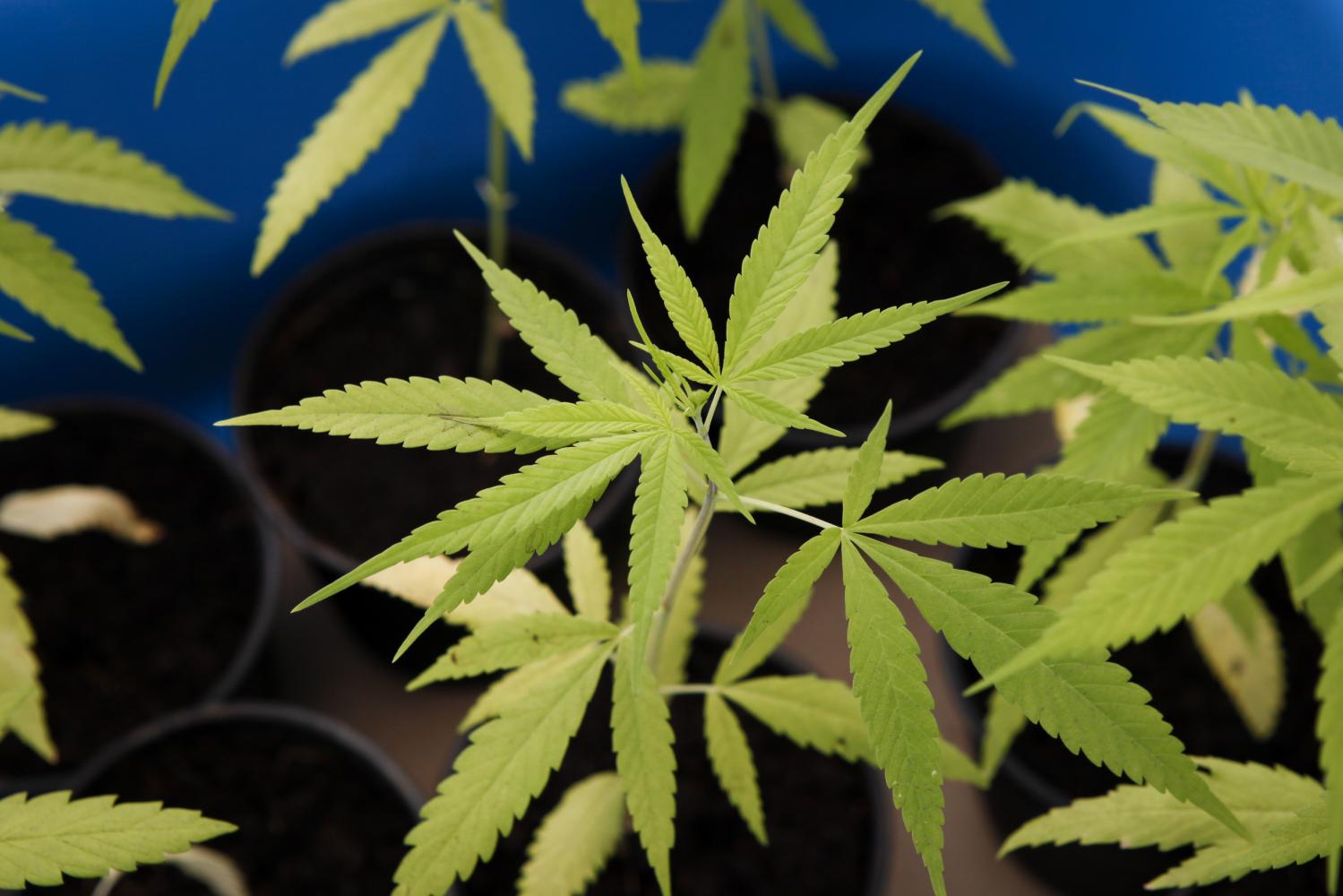
In recent years, attitudes toward marijuana in Southeast Asia are evolving, with increasing social acceptance and regulatory changes. Thailand is at the forefront of this transformation, opening its first full-time clinic dedicated to cannabis-based medications—marking a significant revival of a plant historically valued for its medicinal properties. This shift is not just a reaction to changing public perception; it signals potential economic opportunities within the cannabis sector.
Thailand’s Legalization Journey
Thailand legalized marijuana for medical use and research in 2017, primarily aiming to boost agricultural incomes. Last year, the government took a monumental step by removing cannabis and hemp extracts from the narcotics control list. The proposal now allows households to cultivate up to six cannabis plants. This legal framework has paved the way for significant developments, with four types of drugs containing cannabidiol (CBD) and tetrahydrocannabinol (THC) being prescribed for various ailments, including migraine and insomnia.
Regulatory Landscape
Despite these advancements, cannabis remains classified as a Narcotic Type 5 in Thailand, with stringent penalties for misuse. For the next four years, licenses for production or import remain limited to government entities and universities. However, legislation is under review to eventually open the medical cannabis sector to local businesses. Meanwhile, CBD products with less than 0.3% THC can be produced and marketed for various uses, from culinary to cosmetics.
The Broader ASEAN Perspective
The potential market for cannabis in Southeast Asia is substantial, with the marijuana industry projected to be worth over $660 million in Thailand by 2024, as highlighted by Elevated Estate, a consultancy specializing in the cannabis sector. Other ASEAN countries are keenly observing Thailand’s progress, hoping to tap into this lucrative market.
Malaysia’s Push for Legalization
In Malaysia, advocates like Harish Kumar are pushing for medical legalization, emphasizing the overcrowding of prisons filled with drug users rather than traffickers. The government’s expenditure on incarceration is substantial, costing around 500 million ringgit ($122 million) annually. By reconsidering marijuana’s legal status, Malaysia could redirect these funds toward rehabilitation programs instead of punitive measures.
Indonesia’s Stubborn Stance
Conversely, Indonesia maintains stringent laws against cannabis, listing it among the most prohibited substances. While there’s growing awareness about the potential benefits of regulated cannabis use, the government remains skeptical, focusing instead on stringent measures against drug trafficking. Advocates highlight the negative societal impacts of over-criminalization, which detrimentally affects public health and community wellbeing.
The Philippines’ Evolving Dynamics
In the Philippines, the conversation surrounding medical marijuana is gaining traction, despite a backdrop of severe anti-drug measures under past administrations. Organizations like Sensible Philippines are actively working to shift public perception and overcome the associated stigma. The aim is to advocate for an informed dialogue that addresses the misconceptions surrounding cannabis.
The Promise of Hemp
Amidst these discussions, hemp emerges as a promising alternative crop for Southeast Asia’s agriculture. As global demands for traditional crops like palm oil and rubber decline, hemp could offer economic benefits. Proponents argue that the government needs to prioritize understanding and implementing hemp regulations, considering its viability as a sustainable and profitable agricultural product.
Business Landscape and Challenges
With the burgeoning cannabis and hemp industry, entrepreneurs face uncertainties amid a shifting landscape. Kitty Chopaka, founder of Elevated Estate, notes the confusion surrounding legalities could deter potential businesses. Entrepreneurs are encouraged to explore avenues that don’t require direct handling of cannabis, such as ancillary services, soil supplies, or designed products.
The Role of Education and Awareness
Education is crucial to creating a sustainable cannabis business environment. As perceptions shift and understanding deepens, businesses must adapt to existing regulations while navigating market opportunities. The cannabis sector, still in its infancy in Southeast Asia, will likely witness diversification and innovation as it matures.
Market Potential
Widely diverse product offerings—ranging from edibles to skincare—illustrate the economic potential of cannabis-derived products. Companies like Mountain High Suckers showcase how creative product development can fulfill growing consumer demand for CBD-infused goods. The region’s ability to collaborate globally and tap into foreign expertise could further accelerate industry growth.
Navigating Legal Gray Areas
As with any new industry, navigating potential legal implications is paramount. While entrepreneurs are eager to capitalize on cannabis opportunities, it’s essential to prioritize compliance and ethical practices to avoid complications. Understanding and adhering to regulations will help in establishing credible and sustainable cannabis brands across Southeast Asia.
Conclusion
Southeast Asia’s changing attitude toward marijuana and hemp highlights a transformative era poised for economic and social advancement. With Thailand leading the charge, the broader region is witnessing an awakening to the potential benefits of cannabis, particularly in medical use and economic opportunities. As awareness continues to grow, governments and society alike may find themselves embracing cannabis as a means for healing, innovation, and financial growth.