
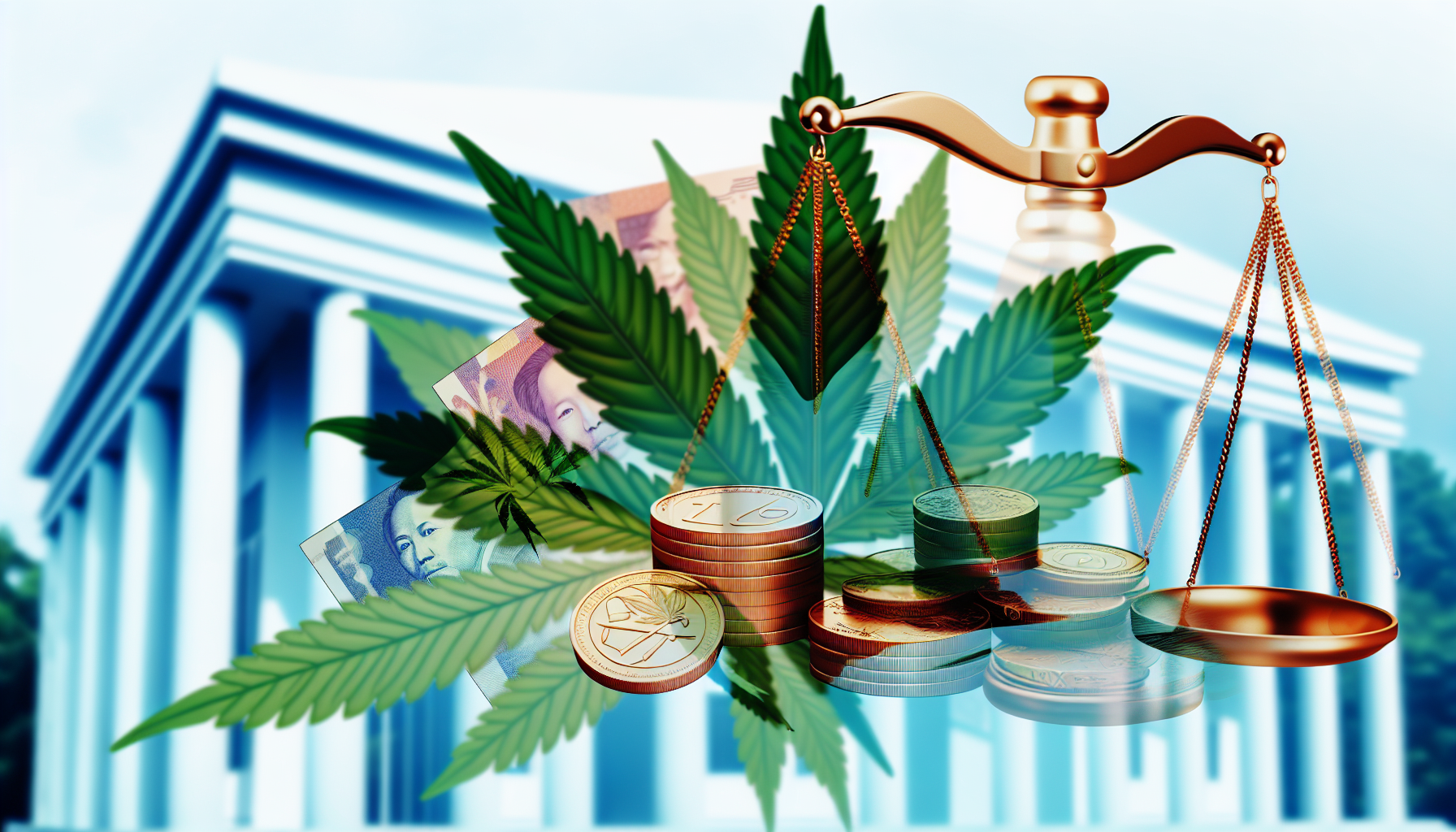
In recent years, the landscape of cannabis legislation worldwide has changed dramatically. As various countries begin to embrace legalization, Asia—historically known for its stringent anti-drug laws—seems to be gaining momentum in re-evaluating its approach to cannabis. Excise policy reforms play a crucial role in this transformative shift, influencing everything from consumer behavior to public health outcomes. This article delves into the implications of these reforms for cannabis consumers across Asia.
Understanding Excise Policies
Excise policies are government-imposed taxes on specific goods, aimed at regulating their consumption. In the context of cannabis, these policies can significantly impact pricing, accessibility, and consumption patterns. By adjusting excise taxes, governments can control the overall market dynamics of cannabis, driving both legal and illicit sales.
The Shift in Attitudes Towards Cannabis
Traditionally, many Asian countries maintained a zero-tolerance approach to cannabis, often linked to the wider war on drugs. However, recent studies and changing social attitudes have led to a notable shift. Countries like Thailand have already legalized medical cannabis, igniting conversations around possible reforms for recreational use as well. This change reflects a growing recognition of the potential economic benefits of the cannabis industry, alongside its medicinal properties.
Economic Implications of Excise Policy Reforms
The economic benefits of reforming excise policies around cannabis cannot be understated. Increased legalization generates substantial tax revenue, which can be reinvested in public health initiatives, education, and infrastructure. For instance, Thailand’s cannabis law, which promotes the cultivation of medical marijuana, has opened avenues for local farmers and businesses, subsequently aiding local economies.
Moreover, clear and fair excise policies can help diminish the black market, potentially reducing crime associated with illegal cannabis trade. By regulating and taxing legal sales, governments can provide consumers with safer options and greater product quality.
Impact on Consumer Behavior
With excise reforms, pricing structures in the cannabis market are subject to change. Higher taxes can lead to increased prices, which may deter some consumers from purchasing legal products. Conversely, a well-structured tax system can make legal cannabis more affordable, leading to higher sales and greater market share over illicit products.
In regions with more favorable excise policies, consumer behavior tends to shift quickly toward legal products. For instance, areas that have relaxed regulations often observe a notable increase in cannabis tourism, as consumers seek legal options in a more open market.
Public Health Considerations
Beyond the economic implications, excise policy reforms can play a vital role in public health. When cannabis is legalized and regulated, consumers can gain access to safer products, which are free from harmful additives often found in illicit market goods.
Moreover, educating consumers about responsible use becomes more feasible in a regulated environment. Excise taxes can be directed toward public health campaigns focused on cannabis education, thereby helping users make informed decisions.
The Role of Advocacy Groups
As reforms to cannabis excise policies unfold, advocacy groups play an essential role in shaping public opinion and lobbying for fair regulations. These organizations often provide valuable insights into consumer needs, urging policymakers to consider not just taxation, but also social equity in the distribution of cannabis licenses and resources.
By representing the interests of both consumers and producers, advocacy groups help ensure that cannabis policy reforms benefit all stakeholders involved, minimizing the disproportionate impact on marginalized communities that has often characterized drug policy enactments.
Future Trends in Asia’s Cannabis Landscape
Looking ahead, the trajectory of cannabis legalization and excise reform in Asia appears promising but complex. Countries such as India, Singapore, and Malaysia are observing precedents set by their neighbors, contemplating their paths toward reform.
As public sentiment continues to shift and governments recognize the potential benefits of a legal cannabis market, stakeholders will need to work collaboratively to establish policies that reflect the diverse perspectives and needs of consumers.
Conclusion
In conclusion, excise policy reforms are instrumental in shaping the future of cannabis consumption in Asia. By striking a balance between revenue generation, public health, and consumer safety, these policies can transform not only the cannabis landscape but also contribute to broader social and economic development. As the region moves toward greater acceptance of cannabis, the lessons learned from early adopters will undoubtedly influence the direction of future reforms across Asia.