

Understanding Thailand’s Evolving Cannabis Laws: A 2024 Perspective
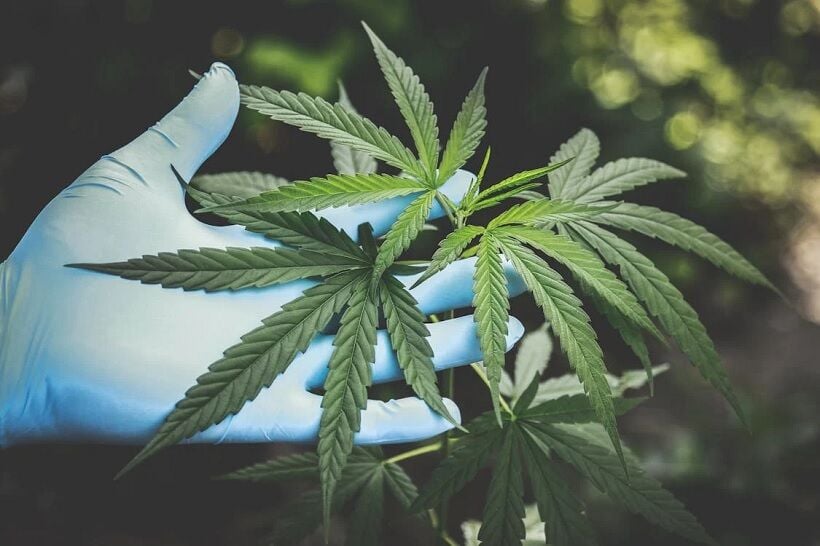
Photo by Jeff W from Unsplash
Thailand is at a crucial juncture in its cannabis legislation, as 2024 approaches. The legal landscape surrounding cannabis is undergoing significant transformations, emphasizing medical and research purposes over recreational use. This article will explore the history, current regulations, and anticipated future changes in Thailand’s cannabis laws.
History of Cannabis Legalization in Thailand
Early Beginnings
Cannabis has deep roots in Thai culture, dating back approximately 12,000 years. Its introduction from India heralded its use for producing fibers and in traditional medicine, often for pain relief and muscle relaxation.
Recent Times
The legal framework began with the 1922 Drug Act, evolving through the years to the 1979 Narcotics Act, which dominated for over four decades. A major turning point occurred in 2014 when the National Council for Peace and Order allowed drug use decriminalization, favoring treatment over punishment for drug-related offenses.
Legalization of Cannabis in Thailand
February 19, 2019: Initial Amendment
The Thai government amended the 1979 Narcotics Act to permit limited medical use of cannabis. This marked a significant shift towards the liberalization of cannabis laws.
June 9, 2022: Delisting of Cannabis
The Ministry of Public Health (MoPH) removed cannabis and hemp from the Narcotics Act, making them legal for medical and industrial uses. Individuals could grow, possess, and sell cannabis without needing licenses.
June 2022: Full Legalization of Low-THC Cannabis
Cannabis with less than 0.2% THC became fully legal, leading to a surge in dispensaries and a burgeoning cannabis culture in Thailand.
2023: Tightening Regulations
The Thai government began tightening regulations on cannabis, focusing on limiting recreational use to prioritize medical applications.
Current Cannabis Laws
Understanding the current cannabis laws in Thailand is essential for compliance, especially as regulations evolve to ensure safe use.
Age Rules
To buy, possess, or use cannabis, you must be at least 20 years old. Selling cannabis to minors is prohibited, and pregnant or breastfeeding women are advised against using cannabis-related products.
Permitted Consumption Methods
You can legally smoke cannabis in private areas, but public consumption is not allowed and is considered a public disturbance, with fines of up to 25,000 Baht (around $700) and possible jail time of up to three months. Cannabis-infused edibles can be enjoyed in certain approved eateries.
Legal Limits for Personal Possession
While there are no specific limits for personal use of cannabis, possession of extracts exceeding 0.2% THC is regulated as a Category 5 narcotic requiring proper authorization.
Restrictions on Public Consumption
Public smoking of cannabis is banned, and violators can face fines up to 25,000 Baht or imprisonment.
Cannabis Legalization in Other Countries
Exploring global approaches to cannabis legalization can provide insights into Thailand’s evolving laws. Below is a comparison with other countries:
| Country | Effective Date | Licensed Sales Since |
|---|---|---|
| Uruguay | December 2013 | July 2017 |
| Canada | October 17, 2018 | October 17, 2018 |
| Germany | April 1, 2024 | Never authorized |
These dates highlight the diverse pathways toward cannabis legalization, with many countries prioritizing medical uses.
Medical Cannabis Regulations
Overview
Thailand’s medical cannabis laws are among the first in Asia, providing a structured approach for health purposes. A hospital specialist can prescribe medical cannabis after other treatment options have failed.
Registered Providers
Only licensed traditional medicine professionals and registered modern medical practitioners can dispense medicinal-grade cannabis, ensuring access to safe, regulated products.
Recreational Cannabis Regulations
Currently, recreational cannabis use is permitted but is set to be prohibited by the end of 2024, with severe penalties of up to 60,000 Baht ($1,700) for violations. Public use remains illegal, with possible fines and jail time for offenders.
Industrial Hemp Regulations
Recent reforms have created opportunities for economic growth, allowing Thai nationals to cultivate industrial hemp without a license, provided it has THC levels under 0.2%.
Economic Impact
Farmers benefit from reduced regulatory burdens, diversifying agricultural outputs while fostering sustainable practices.
Regulations on Cannabis Extracts and Products
Manufacturing Guidelines
Manufacturers must obtain a license from the Thai FDA to produce and sell cannabis extracts, ensuring adherence to safety and quality standards.
Compliance with FDA Regulations
Stringent quality controls are enforced, including product testing for THC levels and potential contaminants. The FDA regulates all cannabis products, mandating compliance with consumer safety.
Cultivation Laws
Thai nationals can cultivate cannabis for personal use without a license, but commercial cultivation requires compliance with regulatory standards and prior notification to the FDA.
Supply and Distribution of Cannabis
The delisting of cannabis in 2022 has allowed legal cultivation and sale of cannabis products by local dispensaries. Compliance with FDA regulations is crucial for all parties involved in the cannabis supply chain.
Import and Export Laws
Importing and exporting cannabis products in Thailand is heavily regulated. Only government and licensed entities can participate in these activities, ensuring compliance with both national and international standards.
Penalties for Illegal Activities
Engaging in illegal import or export of cannabis carries significant fines and potential imprisonment, emphasizing the need to adhere to regulations.
FDA Regulation of Cannabis Products
Overview
The Thai FDA oversees cannabis production, ensuring that all products meet rigorous safety and quality standards.
Compliance Requirements
Producers must comply with licensing, maintaining transparent records and ensuring product consistency to sustain operations within the legal framework.
Anticipated Changes in Cannabis Legislation
Thai officials plan to reclassify cannabis as a narcotic, limiting its legality strictly to medical and research applications. The proposed amendments aim to mitigate misuse and ensure public health safety.
Possible Effects on the Cannabis Business
Stricter regulations could impact the cannabis industry by prioritizing medical use while also addressing economic benefits tied to public health initiatives.
Resources for Further Information
For ongoing discussions and updates regarding cannabis laws in Thailand, consider visiting platforms like the Aseannow cannabis forum.
Frequently Asked Questions
Q: Can I get the death penalty for drugs in Thailand?
A: Yes, drug trafficking carries the death penalty in Thailand.
Q: Can foreigners grow cannabis in Thailand?
A: No, only Thai citizens can cultivate cannabis plants.
Q: What’s the latest on Thailand’s cannabis policy?
A: Thailand decriminalized medical cannabis in 2022, but stricter regulations are on the horizon.
Q: How has Thailand’s cannabis industry changed?
A: Dispensaries flourished post-decriminalization in 2022, though safety concerns persist.
By staying abreast of the fast-evolving cannabis laws in Thailand, both residents and visitors can navigate this complex landscape responsibly.