
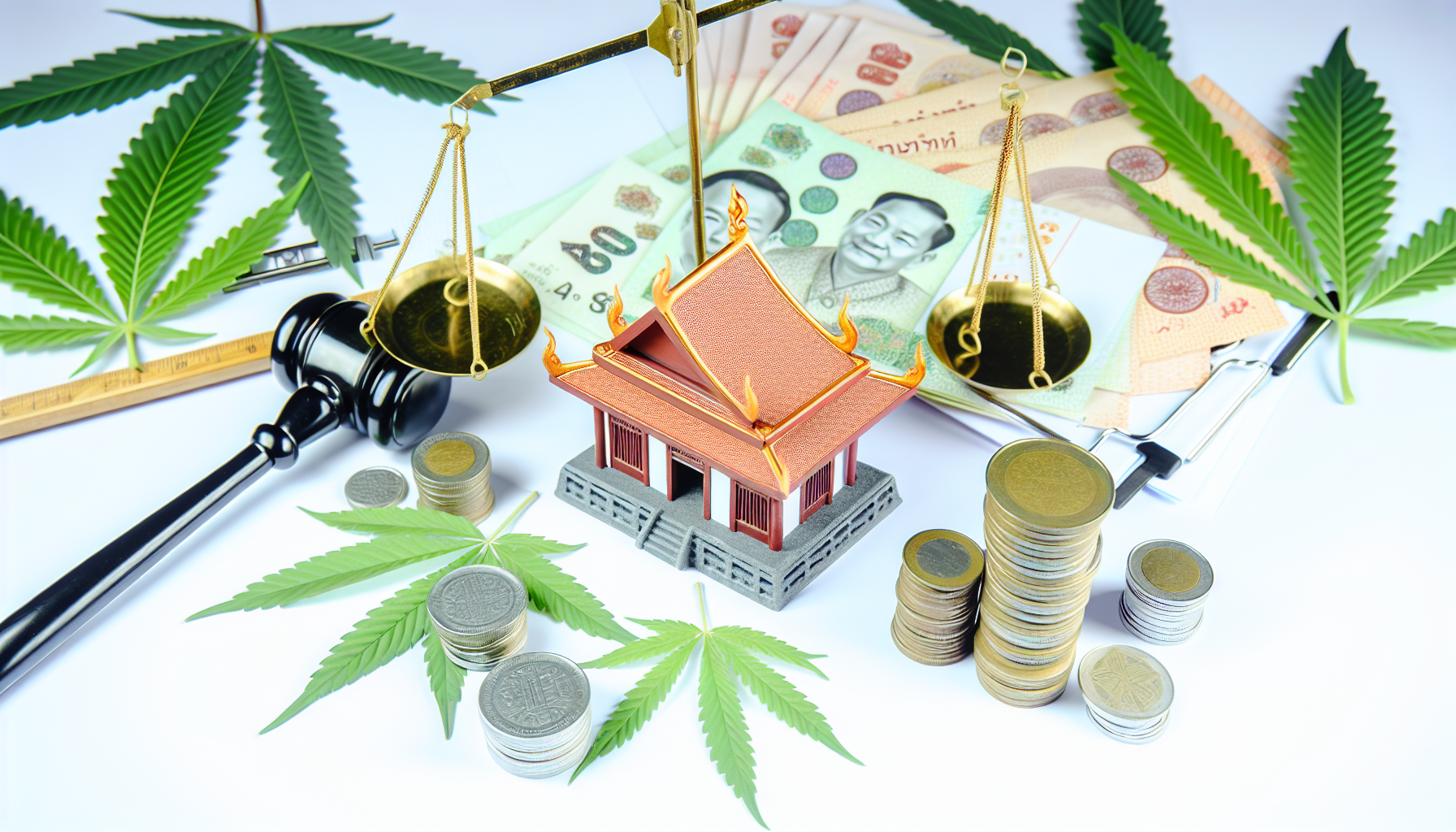
In recent years, Thailand has emerged as a pioneering nation in Southeast Asia with its progressive stance on cannabis legalization. This shift has sparked a vibrant debate centered on two primary concerns: public health and the need for government revenue. The discussion highlights the complexities involved in balancing individual liberties, economic opportunities, and societal health implications.
Historical Context: The Path to Legalization
Cannabis has a long history in Thailand, traditionally used in medicine and as a culinary ingredient. However, the 1970s saw a drastic shift with the drug being banned under international pressure. Fast forward to 2018, Thailand became the first Southeast Asian nation to legalize medical cannabis, paving the way for recreational discussions. This historical context is crucial to understanding the current debates surrounding cannabis regulation and taxation.
Economic Benefits: The Revenue Prospect
One of the most compelling arguments for embracing cannabis legalization revolves around potential economic benefits. Advocates argue that a well-regulated cannabis market could generate substantial tax revenue. Countries like Canada and several U.S. states have reported millions in tax revenue from cannabis sales, which could significantly boost Thailand’s economy.
These revenues could be allocated to various public services, including healthcare, education, and infrastructure development. Moreover, the emergence of a new industry could create jobs, foster entrepreneurship, and stimulate rural economies where cannabis cultivation could thrive. With tourism in Thailand already a major economic driver, a legal cannabis market could attract even more international visitors, enhancing overall economic opportunities.
Public Health Concerns: The Risks Involved
While the economic arguments are compelling, public health experts raise red flags about the potential implications of widespread cannabis use. Critics argue that without reasonable regulations and proper public health initiatives, increased availability could lead to higher rates of consumption, particularly among vulnerable populations, including adolescents.
Concerns exist about the potential for increased mental health issues such as anxiety and depression, alongside the risk of addiction. The debate over cannabis social policies must prioritize public health considerations by ensuring that any move toward legalization includes strict regulations on marketing, distribution, and health education initiatives to inform the public about the risks involved in cannabis use.
Regulatory Framework: Striking a Balance
The challenge lies in developing a regulatory framework that addresses both economic aspirations and public health challenges. Policymakers must consider establishing comprehensive regulations for cultivation, distribution, and consumption, alongside robust public health campaigns tailored to educate citizens about responsible cannabis use.
An effective regulatory framework could draw lessons from other nations, implementing measures like age restrictions, quality control, and marketing regulations designed to limit exposure among youth. By creating a system that emphasizes safety and responsibility, Thailand could mitigate potential health risks while fostering economic benefits.
Cultural Perspectives: Societal Attitudes Toward Cannabis
Cultural perceptions of cannabis also play a significant role in the debate. In a society that has historically viewed cannabis as a taboo substance, the conversation about legalization touches on deep-rooted values and beliefs regarding drug use. Engaging with the public through dialogue and education will be crucial in shaping societal attitudes toward acceptable use and understanding of cannabis.
Community involvement in discussions about legalization can aid in addressing fears and misconceptions, fostering a more informed and open-minded perspective. This cultural shift will be essential for ensuring that the transition toward a regulated cannabis market is socially accepted and supported.
Conclusion: Navigating the Future
As Thailand navigates the complexities of cannabis legalization, the debate will undoubtedly continue to evolve. The juxtaposition of economic opportunity against public health concerns poses a multi-faceted challenge that requires careful consideration, collaboration, and community involvement.
The future of cannabis in Thailand will hinge on establishing a robust regulatory framework that safeguards public health while enhancing economic opportunities. A balanced approach may pave the way for Thailand to emerge as a leader in cannabis reform, setting an example for neighboring countries to consider a more progressive stance on drug policy. As stakeholders move forward, the need for ongoing dialogue remains critical in shaping a responsible and sustainable cannabis landscape that aligns with the nation’s values and aspirations.