
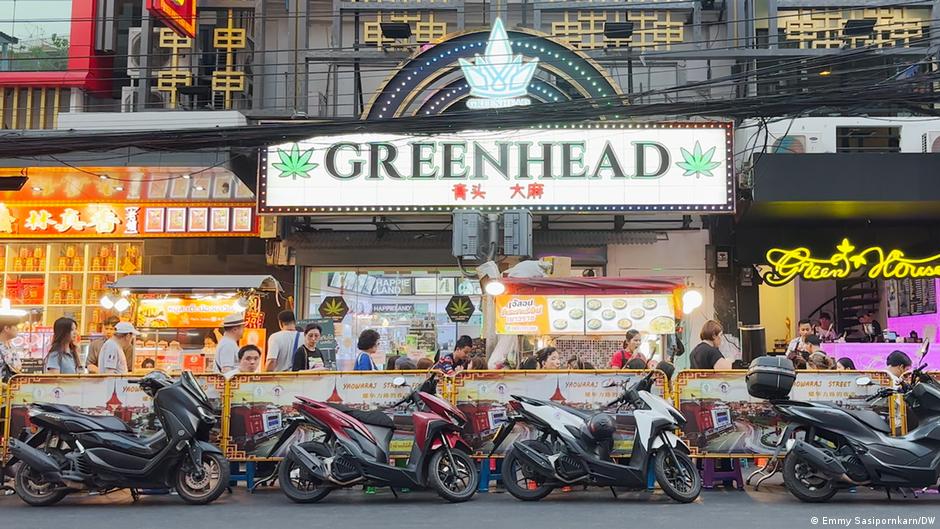
Thailand’s Shift: Reclassifying Cannabis After a Short-lived Legalization
In a surprising policy reversal, Thailand is set to reclassify cannabis as a narcotic just three years after it became one of the pioneers in Asia to decriminalize its recreational use. This decision, which follows a split in the governing coalition, brings to a halt a burgeoning cannabis industry valued at approximately $1 billion (€860 million).
The Road to Recriminalization
Thailand’s journey with cannabis has seen significant twists and turns. In 2022, the government removed cannabis from its narcotics list, sparking a wave of cannabis shops popping up across the nation, particularly in tourist hotspots. However, the rapid expansion of the market came without a comprehensive regulatory framework, leading to a chaotic and largely unregulated environment.
Government spokesperson Jirayu Houngsub highlighted the societal challenges stemming from this unregulated market, particularly its impact on youth. “The policy must return to its original goal of controlling cannabis for medical use only,” he stated, signaling a return to a more cautious approach.
The Political Landscape Shift
The recent decision cannot be separated from the political backdrop. The ruling coalition has undergone significant changes, particularly with the withdrawal of the Bhumjaithai Party—once the staunch advocate for cannabis legalization. Criticism of Prime Minister Paetongtarn Shinawatra’s management of various issues, including a contentious border dispute with Cambodia, has added fuel to the fire, culminating in this policy overhaul.
New Regulations on the Horizon
Following the announcement, Thailand’s health ministry mobilized quickly, issuing an order that bans the sale of recreational cannabis. Going forward, any legal purchase of cannabis will require a doctor’s prescription, a move that significantly restricts consumer access compared to the previous era of legalization. These new regulations will be formally enacted once published in the Royal Gazette, anticipated shortly.
Health Minister Somsak Thepsuthin openly confirmed this shift, stating that “Cannabis will be classified as a narcotic in the future.” This reclassification marks a definitive pivot away from the more liberal policies of recent years.
Economic Implications
The ramifications of this decision extend beyond social issues; they carry significant economic implications as well. The Thai Chamber of Commerce previously estimated that the cannabis industry—covering both recreational and medicinal use—could reach a valuation of $1.2 billion by 2025. With the introduction of stricter regulations, many businesses within this sector may find themselves struggling to adapt or face closure.
This downturn not only threatens local businesses but also has broader repercussions for Thailand’s economy, especially considering the potential for cannabis tourism that was touted as a lucrative opportunity for the country.
A Complex Future
As Thailand reverts to stricter cannabis regulations, it reflects the complexities surrounding drug policy in a changing political landscape. The sudden shift raises questions about the future of cannabis in Thailand and how these changes will affect both local communities and the economy. With public sentiment and political will in flux, the next steps will be crucial for both the government and the populace navigating this evolving issue.